Lady Gaga — Patrizia Reggiani
The film's gravitational centre. Gaga plays Patrizia with camp precision and genuine menace — the social climber who treats marriage as a merger and divorce as a hostile takeover.
Ridley Scott · 2021
Sir Ridley Scott brought Sara Gay Forden's book to cinemas with an ensemble cast and operatic production design. Here is your guide to the adaptation — and what the film changes, compresses, or amplifies.
Visual mood
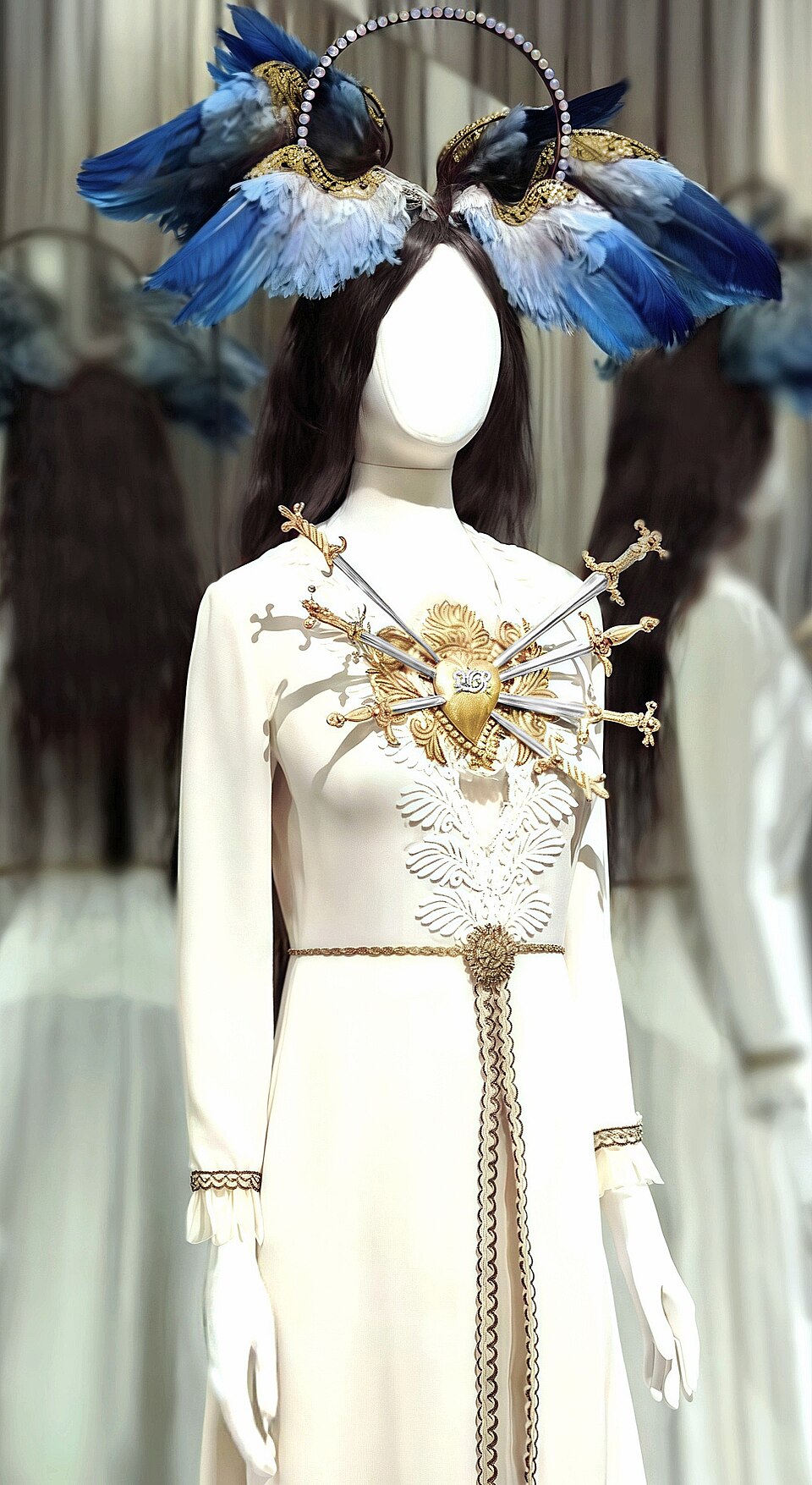
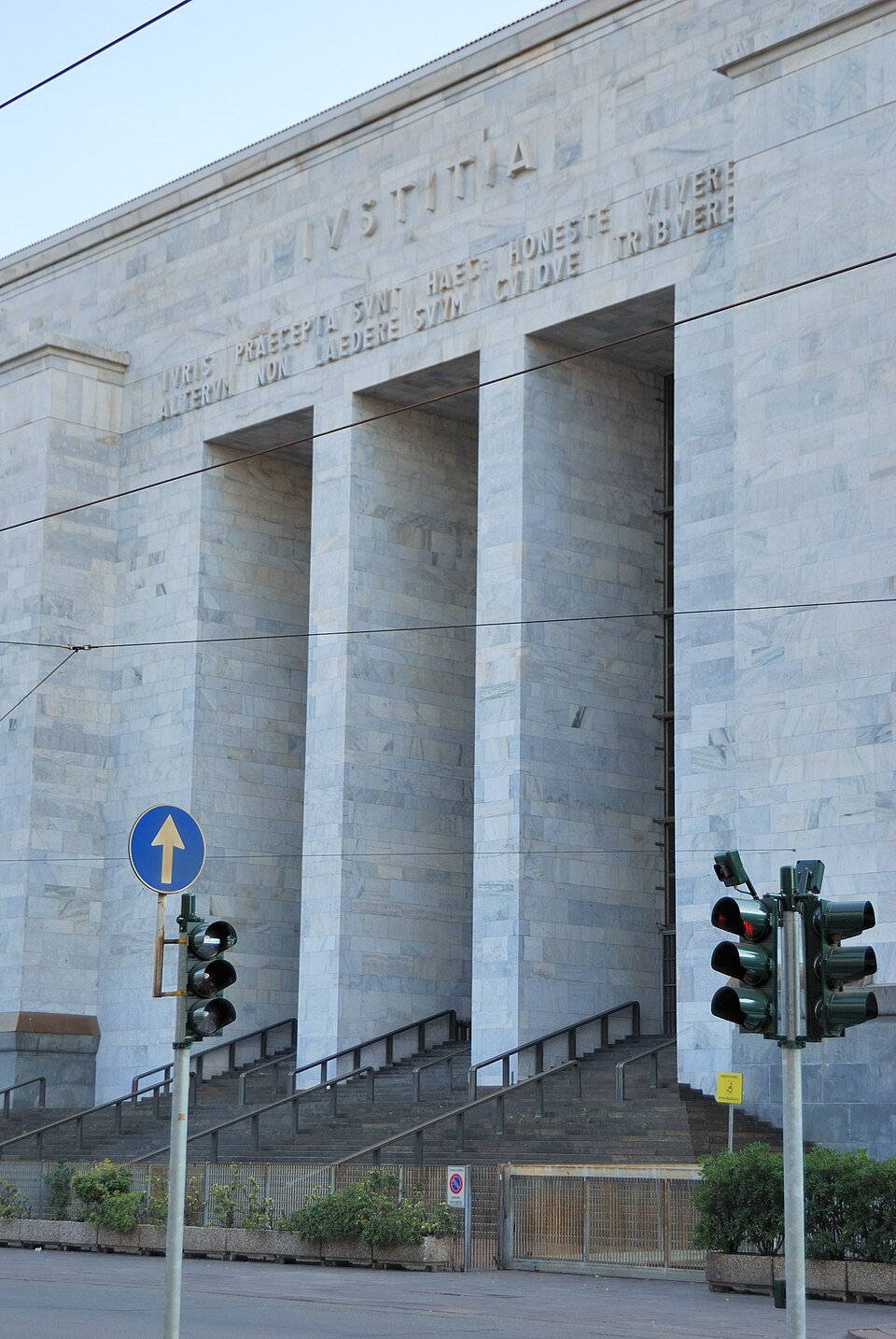
Scott's team leaned into velvet shadows, gold trim, and Italian locations that echo Forden's descriptions of Florence ateliers and Milan boardrooms.
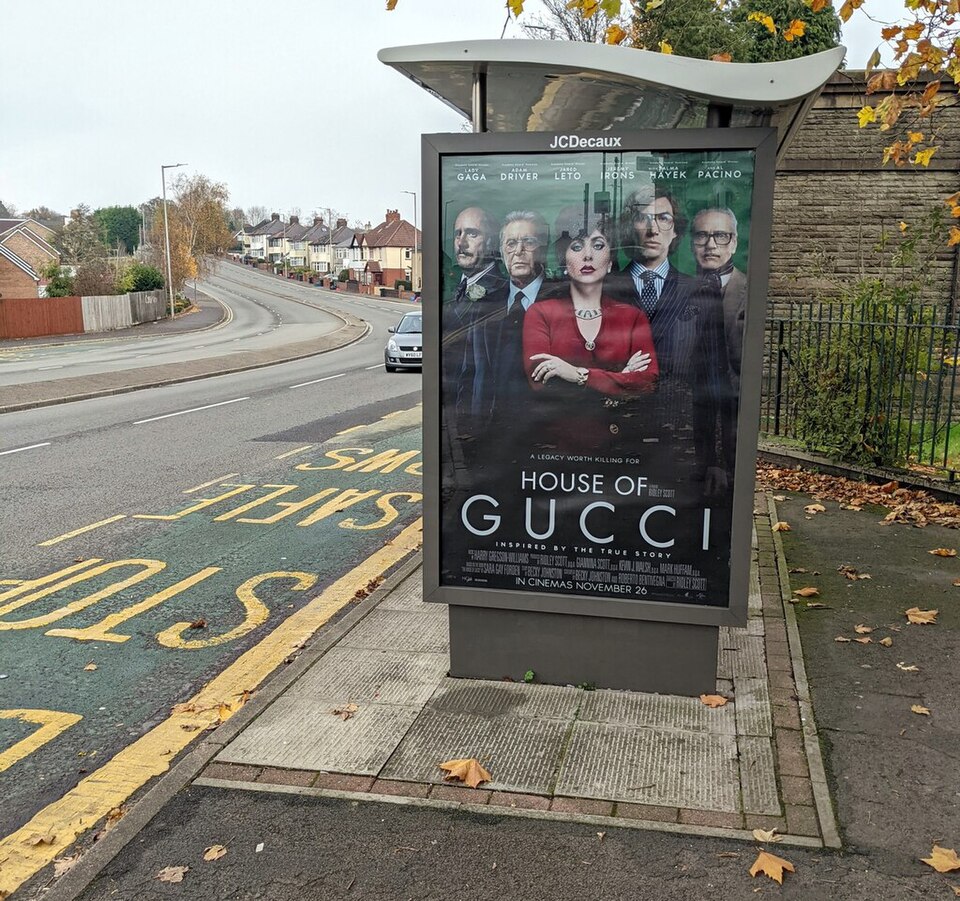
Scott assembled a sprawling ensemble to mirror the Gucci family tree — veterans, rising stars, and character actors buried under prosthetics and Italian tailoring.
The film's gravitational centre. Gaga plays Patrizia with camp precision and genuine menace — the social climber who treats marriage as a merger and divorce as a hostile takeover.
Driver captures Maurizio's reluctant-hero quality: a man who inherited a kingdom he never wanted to rule, then lost it piece by piece to relatives, lawyers, and his own indecision.
The patriarch who built the American empire. Pacino plays Aldo as a showman whose love of the brand blinded him to the family rot beneath the logo.
Leto disappears under heavy makeup as the eccentric cousin whose legal battles and public feuds made tabloid editors rich throughout the 1980s.
Maurizio's father and the family gatekeeper. Irons conveys the weight of a man who believed the Gucci name should never be sold to outsiders.
Patrizia's confidante and co-conspirator. Hayek plays the psychic and fixer who helped arrange the hit — and was later convicted alongside her.
Every adaptation trims, rearranges, and dramatises. Scott's film runs 158 minutes; Forden's book spans decades with courtroom precision.
The film collapses years of boardroom litigation into montage sequences. Forden's book dedicates entire chapters to individual lawsuits, proxy fights, and financial disclosures that explain why Maurizio lost control.
Patrizia dominates the screen — understandably, given Gaga's star power. The book gives equal weight to Aldo, Rodolfo, Paolo, and the Investcorp executives who bought the family out.
Scott leans into dark comedy and camp; Forden writes with journalistic restraint. Both approaches work, but they produce different emotional aftertastes — spectacle versus scrutiny.
"Watch the film for the performances. Read the book for the evidence."
Forden has said the filmmakers drew heavily on her book. Costume design references real Gucci archives — the red-lined loafers, the bamboo bags, the snow-covered Alps where Maurizio and Patrizia once skied as a couple in love. The courtroom scenes echo language from Italian trial transcripts. If you read the book first, you will spot Easter eggs in nearly every frame.
No film can accommodate every wire transfer, every forged document, every whispered conversation in a Milanese café. Forden's book includes:
For Singapore readers who discovered the story through streaming or social media clips, the book is the deeper cut — the version that survives fact-checking.