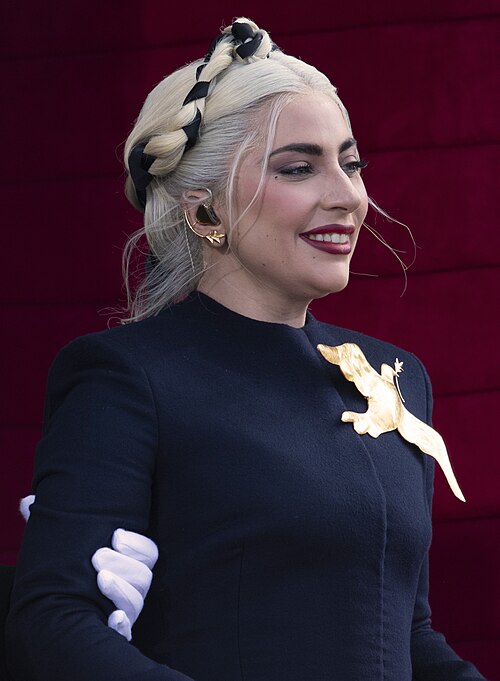
Lady Gaga
Patrizia Reggiani
Now in paperback · growthstrategycollective.life
A twist that will really surprise you!
Sara Gay Forden's House of Gucci is the definitive account of fashion's most infamous dynasty — a tale of leather, legacy, and a killing that no one saw coming until the courtroom doors swung open.
Buy on Amazon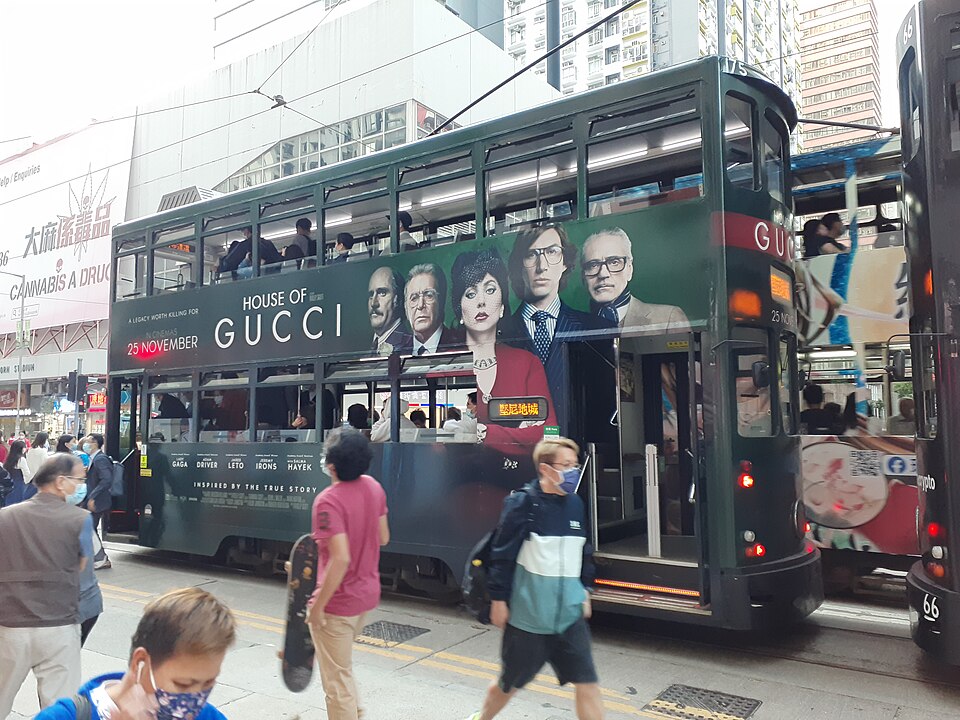
The true story
Before the runway lights dimmed and the headlines screamed, the House of Gucci was a symbol of Italian craftsmanship at its finest. Then ambition turned inward, and a family empire began to eat itself alive.
Guccio Gucci founded his leather-goods workshop in Florence in 1921, stitching together a brand that would come to define luxury for generations. His sons and grandsons expanded the label across continents — boutiques from Milan to Manhattan, the interlocking G logo recognised from Singapore to Stockholm. Wealth accumulated. So did resentment. By the 1980s, the family boardroom had become a battlefield dressed in silk.
Maurizio Gucci, the reluctant heir with a poet's temperament and an accountant's inheritance, found himself pulled between duty and desire. His marriage to Patrizia Reggiani — a woman of fierce intelligence and even fiercer appetites — would prove both his greatest alliance and his undoing. Forden reconstructs their courtship, their corporate manoeuvres, and the slow-motion collapse of a partnership that once seemed unbreakable.
What separates House of Gucci from tabloid gossip is Forden's reporting discipline. A veteran journalist who covered European fashion and finance for Women's Wear Daily, the Wall Street Journal, and Bloomberg News, she spent years interviewing insiders, reviewing court transcripts, and tracing money through Swiss accounts and Milanese law firms. The result reads like a thriller because the facts genuinely are — wire transfers at midnight, family members hiring private investigators, board votes cast with the weight of centuries-old pride.
On the morning of 27 March 1995, Maurizio Gucci was shot dead on the steps of his office at Via Palestro 20 in Milan. The killing was methodical and professional — and, for nearly two years, unsolved in the public imagination. When Patrizia Reggiani was convicted of arranging the murder in November 1998, Italy gasped. The woman who had once been the public face of Gucci glamour was sentenced to twenty-nine years in prison; an appeal later reduced the term to twenty-six. Forden does not sensationalise the verdict; she lets the evidence speak, and the evidence is devastating.
"Money, fashion, and blood — three threads woven so tightly that when one snapped, the whole tapestry unravelled."
Readers in Singapore and across Southeast Asia have embraced true-crime narratives that sit at the intersection of wealth and morality — stories where the stakes are not merely life and death but legacy and reputation. House of Gucci delivers exactly that. You will learn how a family that sold dreams to the world could not agree on who deserved to inherit the dream itself. You will understand why Maurizio's push to modernise the brand alienated his relatives, and why Patrizia's social ambitions made her enemies in every salon from Rome to Lake Como.
The book also captures a vanished era of fashion — the pre-digital catwalk, the atelier as fortress, the creative director as courtier. Forden writes with warmth for the artisans who stitched the loafers and printed the scarves, even as she documents the executives who treated those craftspeople as line items. It is a story about greed, yes, but also about identity: what it means to wear a name that is not entirely your own.
Ridley Scott's 2021 film
Sir Ridley Scott brought Forden's book to cinemas with a cast that matched the story's operatic scale. These frames capture the film's mood — velvet shadows, gold trim, and a family portrait cracking at the edges.
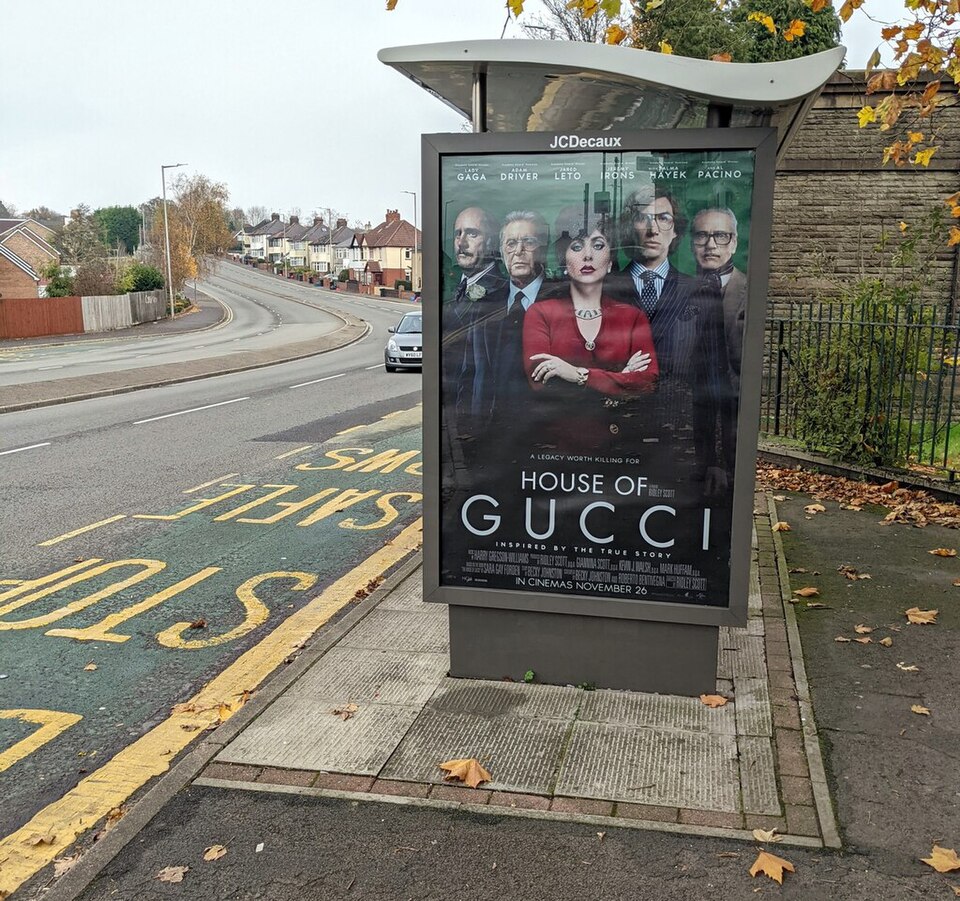

Scott assembled an ensemble that mirrors the Gucci family's sprawling tree — veterans, rising stars, and character actors who disappear into Italian tailoring.
Lady Gaga
Patrizia Reggiani

Adam Driver
Maurizio Gucci
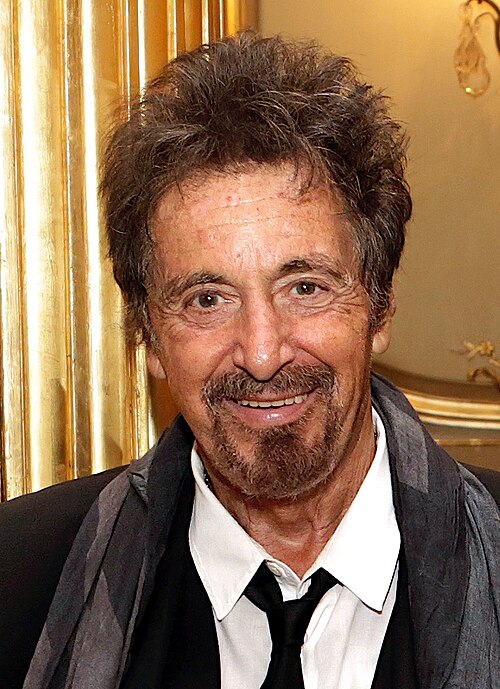
Al Pacino
Aldo Gucci

Jared Leto
Paolo Gucci

Salma Hayek
Pina Auriemma

Jeremy Irons
Rodolfo Gucci
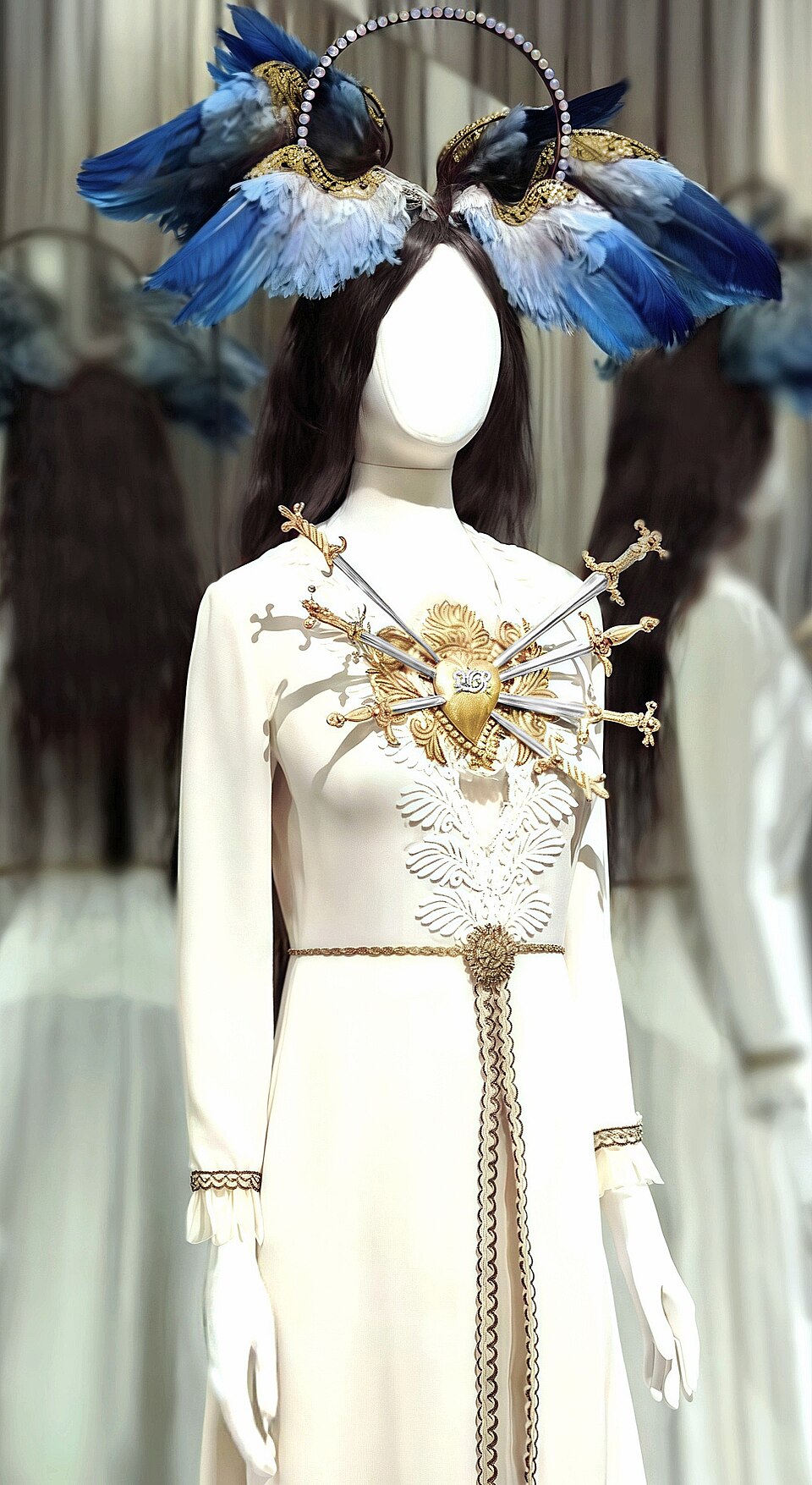
The film takes liberties — every adaptation does — but Forden's book remains the authoritative source. Read it first and you will catch the details Scott embedded in costume and production design: the red-lined loafers, the snow-covered Alps, the courtroom scene that mirrors real transcripts. Read it after and you will want to revisit every frame with fresh eyes.
Why read it now
Forden's journalism background means every claim is sourced. Court records, financial filings, and on-the-record interviews build a narrative that survives scrutiny — essential when the subject is murder.
You may think you know who wanted Maurizio dead. The final chapters rearrange the motives you assumed were obvious. That is the surprise the subtitle promises — and it delivers.
The Gucci brand is not backdrop; it is a protagonist with appetites of its own. Understanding the label's history deepens every scene of family conflict.
1921
Guccio Gucci opens his first shop in Florence, laying foundations for a global luxury house.
1983
Maurizio Gucci inherits his father's 50% stake, becoming the largest individual shareholder and triggering years of boardroom warfare.
1995
Maurizio is assassinated in Milan; the fashion world stops mid-stitch.
1998
Patrizia Reggiani is convicted of arranging the murder and sentenced to twenty-nine years — the sensational verdict that inspired generations of retellings.
Order Sara Gay Forden's House of Gucci today. Paperback edition available for delivery via Amazon.
Buy on Amazon